Direct Neural Control Moves Beyond Laboratory Demonstrations
The first participant in Neuralink’s human clinical trial has successfully controlled a computer cursor using only neural signals. This is a major step forward in moving brain-computer interface technology from experimental systems into real clinical use. The achievement goes beyond just a tech demo. It validates decades of research in neural signal acquisition and decoding algorithms that researchers have refined through extensive animal studies and computational modeling.
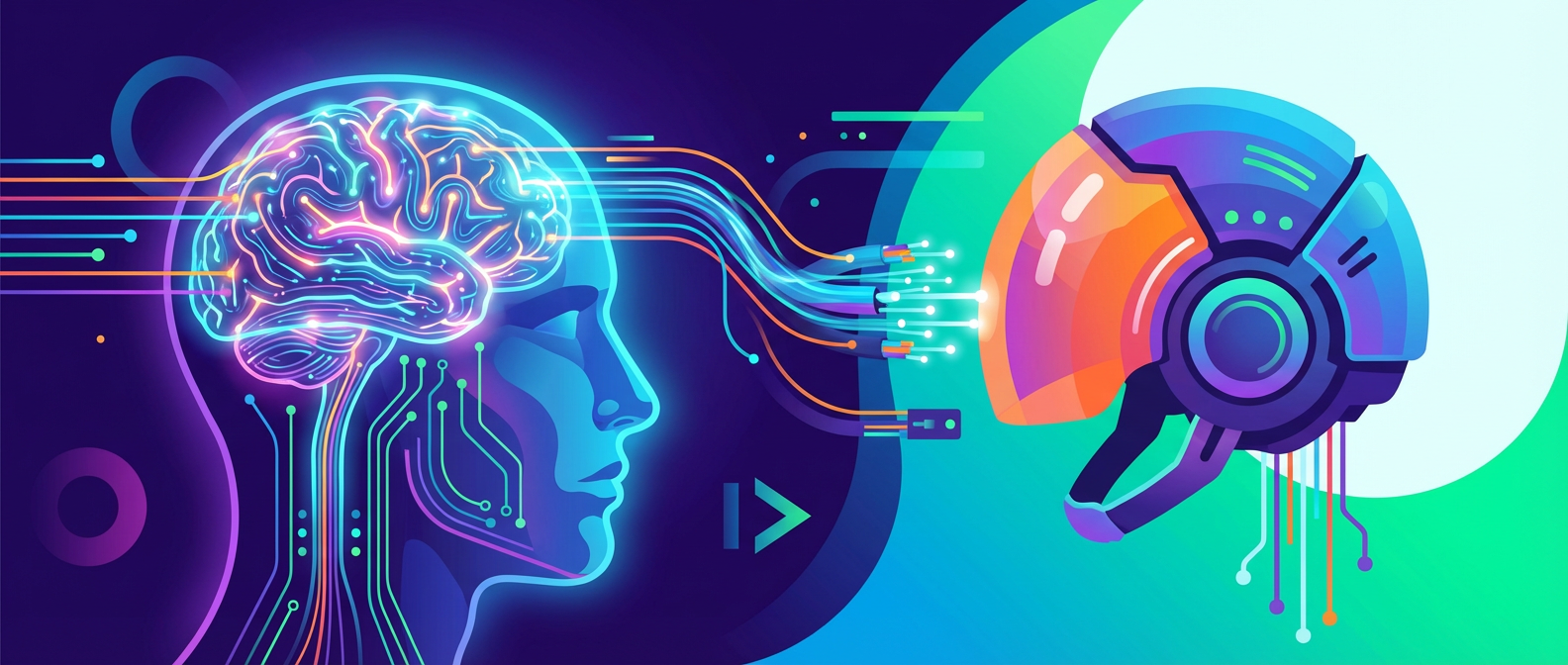
But here’s what many headlines miss: Neuralink wasn’t actually first to achieve human neural implantation for computer control. Synchron beat them by 18 months using a completely different approach. Their stent-based design gets inserted through blood vessels rather than requiring open brain surgery. It’s a clever example of how engineering constraints can drive innovative solutions in neural interface design. This timeline difference shows how complex the relationship is between technological sophistication, regulatory approval pathways, and clinical implementation strategies.
The distinction between these approaches reflects deeper questions about invasiveness, signal quality, and long-term viability that will shape where this field goes. Neuralink’s direct cortical electrode arrays potentially offer higher resolution neural recordings but require more invasive surgical procedures. Synchron’s endovascular approach trades some signal fidelity for reduced surgical risk and potentially broader patient eligibility. It’s a classic engineering trade-off.
Commercial Neural Interfaces Expand Beyond Medical Applications
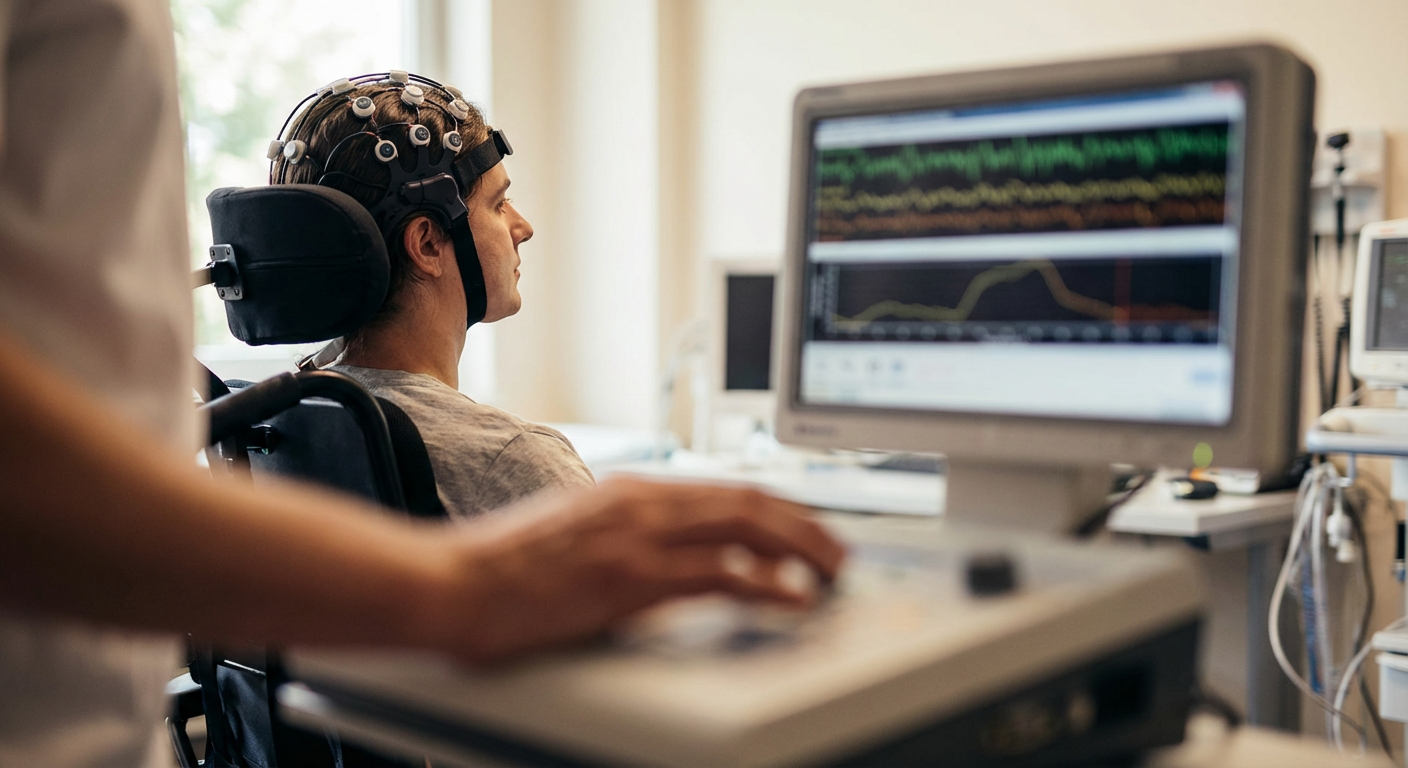
While invasive brain-computer interfaces dominate clinical headlines, non-invasive systems have quietly reached commercial maturity. Gaming companies now offer 32-channel electroencephalography headsets that translate neural activity into digital commands without surgical intervention. These devices represent a convergence of consumer electronics manufacturing capabilities with decades of neuroscience research into cortical signal processing.
The transition from medical-grade neural recording equipment to consumer electronics reflects advances in signal processing algorithms, miniaturization of amplification circuits, and machine learning approaches to neural decoding. Current commercial systems primarily detect gross motor intentions and attention states rather than fine-grained neural control. This limitation comes from the basic physics of recording neural signals through skull and scalp tissue, which acts like a low-pass filter that dampens the high-frequency components you need for precise control.
Still, these consumer applications work as testing grounds for neural interface paradigms and user experience design principles that will inform more sophisticated medical devices. The gaming industry’s tolerance for imperfect control and user adaptation provides valuable data on human-computer neural interaction patterns that laboratory studies can’t easily replicate. Gamers are surprisingly patient with buggy tech if it’s cool enough.
Speech Decoding Approaches Clinical Viability Thresholds
Recent advances in neural decoding have enabled paralyzed patients to generate speech at rates approaching 80 words per minute through direct neural signal interpretation. This performance level approaches the lower bounds of natural conversation speed, which represents a real shift from proof-of-concept demonstrations to potentially practical communication restoration.
The achievement required sophisticated machine learning algorithms trained on individual patients’ neural patterns during attempted speech production. Unlike motor control interfaces that decode intended movements, speech decoding must parse the complex neural representations of phonemes, words, and linguistic structures. Research published in the Nature Neuroscience journal has documented the computational challenges involved in extracting linguistic intent from neural signals recorded in speech motor areas.
Current speech decoding systems require extensive calibration periods where patients attempt to speak while neural signals are recorded and correlated with intended utterances. This training phase can extend for weeks or months, which highlights how personalized neural signal patterns really are. The variability in neural representations across individuals means each person needs individualized decoder training, which complicates clinical implementation and standardization efforts. It’s not quite plug-and-play yet.
Memory Enhancement Trials Demonstrate Cognitive Augmentation Potential
Clinical trials testing memory prosthetic devices have achieved 30 percent improvements in recall performance among participants. This provides the first human evidence that neural interfaces can enhance rather than just restore cognitive function. These devices work by recording neural activity patterns associated with successful memory encoding and later delivering precisely timed stimulation to recreate those patterns during recall attempts.
The memory enhancement approach is fundamentally different from motor or sensory brain-computer interfaces because it targets cognitive rather than input-output functions. Memory prosthetics must integrate with existing neural networks rather than bypassing damaged pathways. This requires a more nuanced understanding of neural circuit dynamics and plasticity mechanisms.
Current memory prosthetic trials focus on patients with memory impairments from brain injury or neurodegenerative disease, but the technology’s potential extends to cognitive enhancement in healthy individuals. This broader application raises ethical questions about fairness, access, and the definition of normal human cognitive capacity that go well beyond traditional medical device considerations. We’re entering uncharted territory here.
Regulatory Frameworks Struggle with Novel Interface Categories
The regulatory approval pathway for brain-computer interfaces remains unclear across both FDA and European MDR frameworks, creating uncertainty for developers and investors. Traditional medical device categories don’t adequately capture the unique characteristics of devices that interface directly with neural tissue and translate biological signals into digital commands.
Current regulatory approaches treat neural interfaces as Class III medical devices requiring extensive clinical trials, but the evaluation criteria developed for conventional implants may not appropriately assess the risks and benefits of devices that can be updated through software modifications. The ability to modify device behavior through algorithm updates creates ongoing regulatory questions about when changes require new approvals versus being considered routine software maintenance. It’s a regulatory nightmare, frankly.
Technical coverage in publications like IEEE Spectrum brain-computer interfaces highlights the engineering challenges that complicate regulatory evaluation. Neural interface performance depends on complex interactions between hardware specifications, signal processing algorithms, and user adaptation that are difficult to standardize across the diverse applications emerging in this field.
The current state of brain-computer interface development presents a field where clinical achievements increasingly demonstrate practical utility while regulatory and engineering challenges remain substantial. Understanding these parallel developments requires careful attention to both the demonstrated capabilities and the limitations that current publications document. The field’s trajectory will depend on resolving these implementation challenges rather than achieving additional technological breakthroughs alone.