The Neural Interface Revolution Begins in Operating Rooms
The science fiction promise of direct brain-computer communication has quietly moved from laboratory curiosity to clinical reality. Recent human trials show that neural interfaces can decode motor intentions, letting a paralyzed person control computer cursors through thought alone. This breakthrough is more than technological prowess. It’s the start of practical applications for devices that read brain activity and translate it into digital commands.
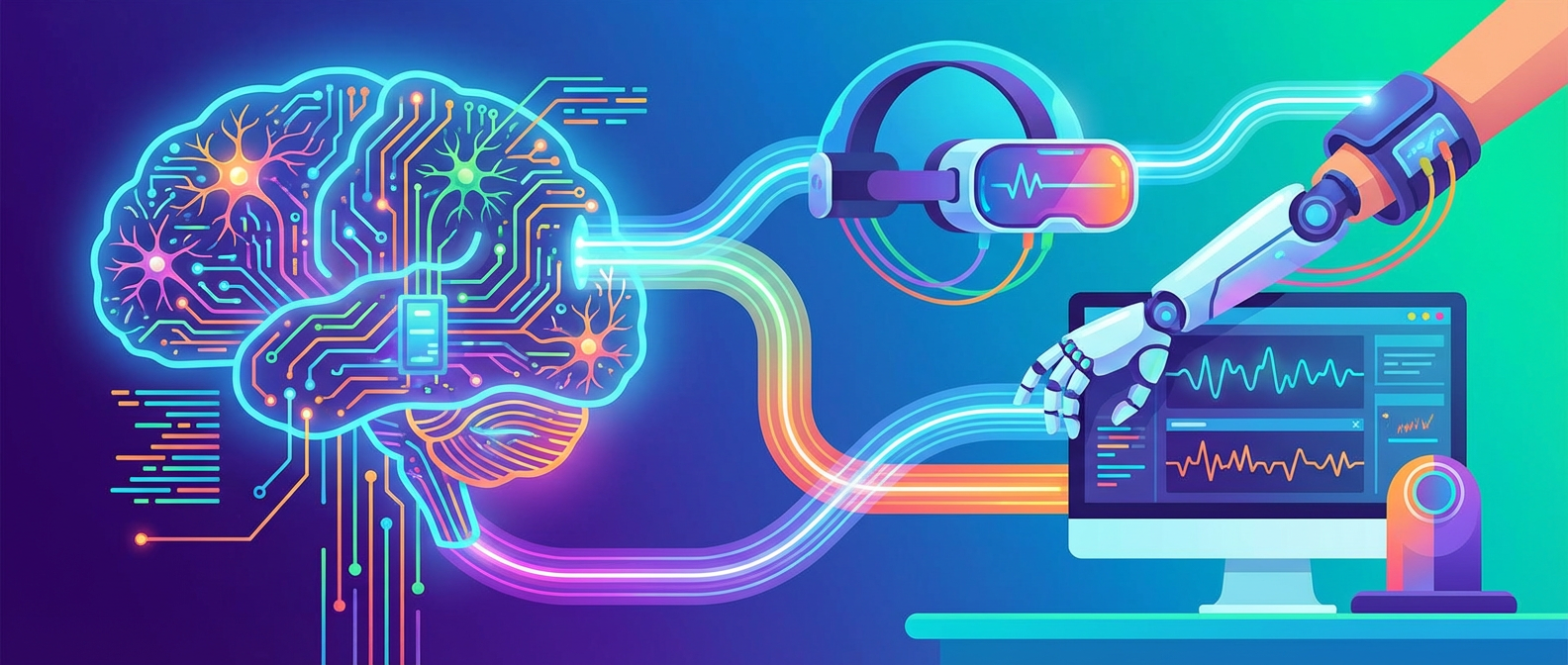
This achievement builds on decades of research in neural signal processing and machine learning algorithms. Early demonstrations required endless training periods and gave spotty results. Today’s systems achieve impressive precision through better electrode designs and smart decoding algorithms that adapt to individual brain patterns. The technology has grown from proof-of-concept experiments to devices capable of meaningful human-computer interaction.
Competing Pathways to Neural Access
While Neuralink grabs headlines with its high-resolution electrode arrays, alternative approaches have quietly advanced through clinical trials. Synchron got human implants working eighteen months earlier using a completely different strategy. Their device uses a stent-like structure inserted through blood vessels, avoiding open brain surgery while still recording functional neural activity.
This vascular approach represents a fundamental design philosophy difference. Traditional penetrating electrodes give you the best signal quality but require risky surgical procedures. Stent-based systems sacrifice some signal fidelity for dramatically better safety profiles and simpler implantation. The tradeoff between performance and invasiveness will likely determine which technologies actually make it to widespread clinical use.
Non-invasive alternatives keep advancing alongside implantable systems. Commercial gaming headsets now pack thirty-two channels of electroencephalography, enabling basic brain-computer interaction without any surgery. These systems can’t match the precision of implanted devices, but they offer immediate access for applications that don’t need super-precise neural control.
Decoding Thought Into Action and Speech
Neural decoding has expanded way beyond simple cursor control into complex cognitive functions. Researchers have successfully translated intended speech patterns from motor cortex activity, achieving communication rates of eighty words per minute in people with severe paralysis. This transforms brain-computer interfaces from assistive tools into full communication platforms.
The speech decoding process relies on sophisticated machine learning models trained to recognize neural patterns associated with specific sounds and words. As reported in the Nature Neuroscience journal, these systems need extensive calibration periods but can achieve remarkable accuracy once properly trained. The technology offers profound possibilities for people who have lost the ability to speak due to neurological conditions.
Memory enhancement is another frontier in neural interface development. Clinical trials of memory prosthetics have shown thirty percent improvements in recall performance among participants with memory problems. These devices identify optimal patterns of neural stimulation to enhance memory formation and retrieval, suggesting therapeutic applications for conditions like Alzheimer’s disease and traumatic brain injury.
Navigating Regulatory Complexity in Neural Device Approval
The regulatory landscape for brain-computer interfaces is a mess. Traditional medical device approval pathways can’t handle technologies that blur the lines between therapeutic devices and consumer electronics. The FDA and European Union’s Medical Device Regulation framework lack clear guidelines specifically for neural interface technologies.
This regulatory confusion creates huge challenges for companies developing brain-computer interfaces. Safety standards for implantable neural devices must address unique concerns including long-term biocompatibility, infection risks, and potential neural tissue damage. Non-invasive systems face different regulatory hurdles, particularly around claims about cognitive enhancement and performance improvement.
The lack of established regulatory pathways has led to inconsistent approval processes across different jurisdictions. Some companies pursue medical device classifications for therapeutic applications while others target consumer electronics markets to avoid extensive clinical trial requirements. This scattered approach may ultimately hurt both safety standards and innovation. Industry experts increasingly push for specialized regulatory frameworks designed specifically for neural interface technologies, as detailed in recent analyses by IEEE Spectrum brain-computer interfaces.
Technical Hurdles and Clinical Realities
Despite remarkable progress, significant technical challenges persist in brain-computer interface development. Signal stability over extended periods is still problematic for implanted devices. Neural tissue responds to foreign objects through inflammatory processes that can degrade recording quality over months or years. Current solutions include improved biocompatible coatings and flexible electrode designs that minimize tissue disruption.
Power consumption presents another critical limitation. Implanted devices must operate continuously while minimizing heat generation that could damage neural tissue. Wireless power transmission offers one solution but adds complexity and potential failure points. Battery-powered systems require periodic replacement procedures that increase patient risk and system complexity.
Integrating brain-computer interfaces into daily life requires robust, reliable systems that function consistently across diverse environments and usage patterns. Laboratory demonstrations often happen under controlled conditions that differ significantly from real-world applications. Turning experimental successes into practical devices demands extensive engineering refinement and long-term reliability testing.
The convergence of neuroscience, engineering, and clinical medicine in brain-computer interface development is one of the most ambitious technological challenges of our era. As these systems move from research labs to clinical practice, their impact will extend far beyond individual users to reshape our understanding of human-computer interaction and neural plasticity. The next decade will determine whether current breakthroughs actually become transformative medical treatments and everyday technologies.